
Leadership Skills for PMs: Edition 6 – A Risk Mindset
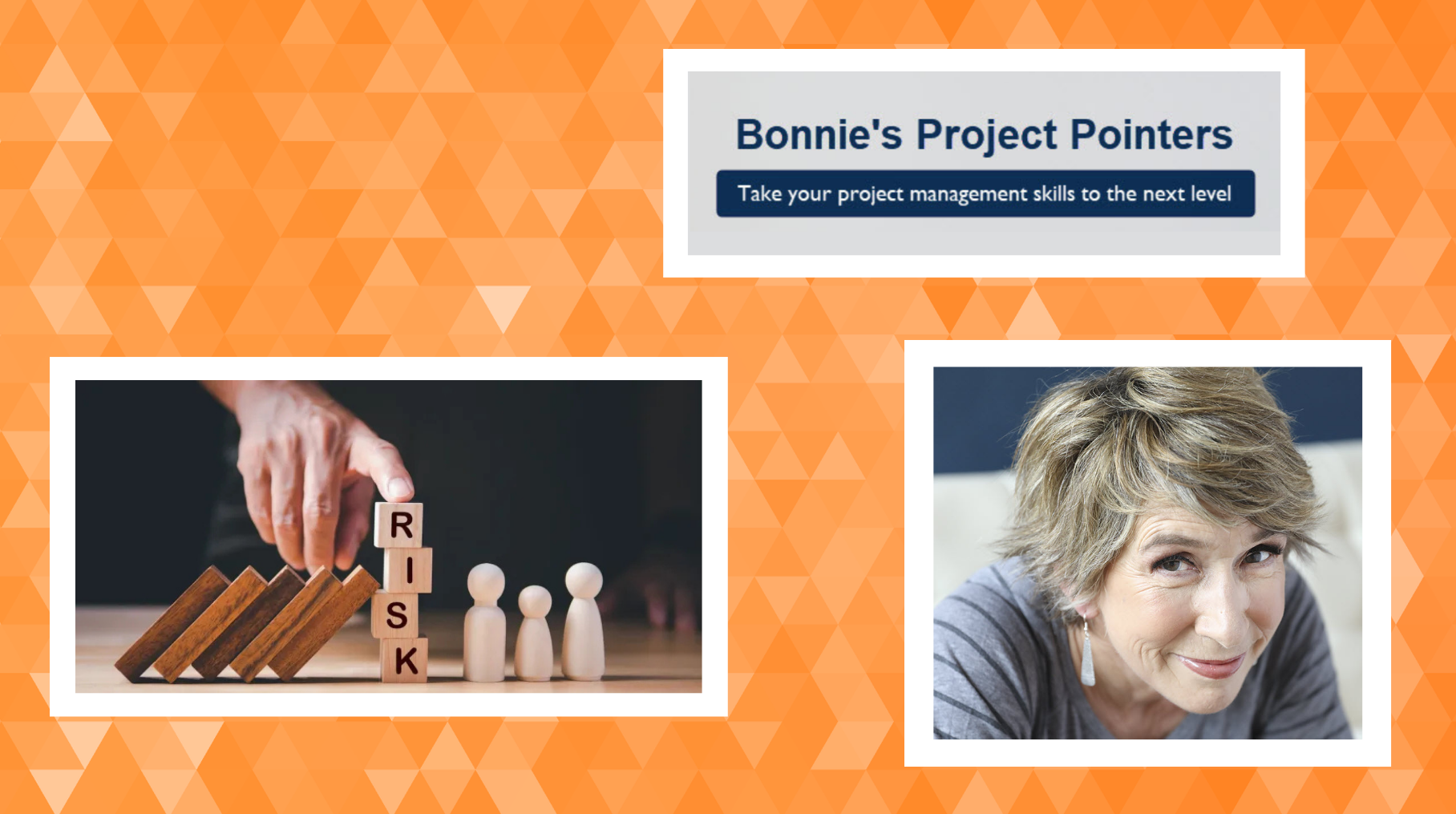
Leadership Skills for PMs: Edition 6 – A Risk MindsetThe mechanics of risk are as easy as PIE (that is the Probability the project will experience an Impact because of an Event). Throughout a project, project managers need to identify, assess, and prioritize risks; develop risk responses; and then monitor and manage risks as needed. Successful risk management is more than addressing the mechanics. Project managers need a risk mindset where they evaluate everything considering the risks that could result. To strengthen your risk mindset work on the following characteristics:

  • Unwavering diligence. Managing risk is a way of life for a project manager, not a series of tasks to check off and consider done. It means constant focus on the project’s challenges and diligently evaluating options to avoid negative impacts and to amplify opportunities (risks with upsides). As a leader, you will keep risk in the foreground of many project-related conversations (and in the background of all of them).
  • Avid curiosity. To identify potential risks and corresponding responses, project managers need to be curious about all the possibilities. It’s not enough to identify one risk or to propose one response. Done means identifying several risks and responses. To excel, continue to revisit risks and responses to ensure you haven’t missed anything, exploring all avenues of risk possibilities.
  • Keen anticipation. Be vigilant about risks and anticipate them. Of course, you don’t want risks to arise, but you don’t fear them. The reality is that risks will arise, so you need to anticipate them and be prepared to respond quickly and decisively. 
  • Healthy skepticism. Project managers are bombarded with a lot of information: task status, stakeholder perceptions, assumptions, business conditions and management concerns. Often this info comes second-hand. With a risk mindset, you question the information you receive, validating data and distinguishing between facts and what needs more investigation. 
  • Systems thinking. Project control elements can be an intricate network of connections. A new risk might require additional funding to address it, so you have to change the cost plan. The revised cost plan might require more management review, so you have to change the communication plan. Likewise, there are similar interrelationships between the products a project delivers for the business. Systems thinking and understanding these interrelationships enables you to identify and address risks before they impact your project.

Risk mindset checklist: diligent focus, curiosity, anticipation, skepticism, systems thinking!

For more about risk management, check out Bob McGannon’s Project Management Foundations: Risk course.


_______________________________________

This article belongs to the Bonnie’s Project Pointers newsletter series, which has more than 99,000 subscribers. This newsletter is 100% written by a human (no aliens or AIs involved). If you like this article, you can subscribe to receive notifications when a new article posts.

Want to learn more about the topics I talk about in these newsletters? Watch my courses in the LinkedIn Learning Library and tune into my LinkedIn Office Hours live broadcasts.

_______________________________________

Leadership Skills for PMs: Edition 5 – A Change Mindset

Leadership Skills for PMs Edition 5 – A Change MindsetManaging change is a fundamental aspect of project management. Project managers must lead assessment efforts to determine whether requested changes are appropriate and beneficial for their projects. A Change Mindset is needed to do this well. Here are ways to embrace a change mindset and improve project success.

  • View change as inevitable. In a churning, competitive world, change is a given. So, project managers must design their initiatives with as much flexibility as possible. Check with stakeholders just before making any procurement decisions or undertaking build-related tasks (that cannot be easily reversed).  That way you can consider including the latest stakeholder views and perceived needs in the project, thereby optimizing outcomes. Note: For these and all other changes, practice change management diligently.
  • Be prepared for significant change triggered by items outside project control. Change may be spurred by the actions of competitors, new demands from customers, or regulatory changes mandated by the government.  These can result in shifting priorities, requirements for different skills, or substantial scope change requests. The need to re-plan, determine a new solution approach, or alter the schedule is likely. It will also require a new round of communication with team members, key stakeholders, and the sponsor. It’s a lot of work, but it’s necessary to maintain project integrity and align with the project’s business case. Note: In instances where more than 20% of the project will be affected, it might be best to create a new business case and revalidate the project before proceeding. 
  • Keep track of technical product capabilities that can trigger change. When dealing with technical components that are susceptible to rapid technological advances (such as AI or robotics), project plans might need to be reassessed to accommodate the latest breakthroughs. For instance, consider a year-long project to develop a specialized manufacturing line that incorporates robotics and high-end workstations. Some capabilities with AI and robotics aren’t available yet but will be soon. So, the project must produce the known parts of the infrastructure up front and the parts using new technology later—without creating cumbersome rework. Capitalizing on the latest advances can make all the difference for your business when it comes to project acceptance. 
  • Understand that internal politics is a strong motivator for change. Project changes might be requested without an apparent business reason. In most cases, “rolling with it” is the best course of action. Evaluate the change for cost or schedule changes, their impact on the business case, and present the results. Also, identify risks the change may trigger and document those concerns. The role of the project manager is to evaluate and report the impacts of a change, rather than trying to override management desires. Go with the decision that key stakeholders and the sponsor agree upon. But keep the change-related documentation close at hand in case any questions arise.
  • Reactionary factors can inspire change requests and a need to push back. Key stakeholders might react to business pressures by requesting a change that is already covered in the scope or is something entirely different from the project’s intent. In this case, consider having a one-on-one conversation with the stakeholder to discuss their concerns. If the stakeholder persists, a discussion with the sponsor is in order. If those conversations don’t result in a retraction of the change request, assess the change and present the results, along with the risks and issues it presents. Include a strong recommendation that the change is not accepted. After that, the proper action is to conform to the desires of the sponsor and stakeholders.


_______________________________________

This article belongs to the Bonnie’s Project Pointers newsletter series, which has more than 98,000 subscribers. This newsletter is 100% written by a human (no aliens or AIs involved). If you like this article, you can subscribe to receive notifications when a new article posts.

Want to learn more about the topics I talk about in these newsletters? Watch my courses in the LinkedIn Learning Library and tune into my LinkedIn Office Hours live broadcasts.
_______________________________________

Leadership Skills for PMs – Edition 4 – Coaching

Leadership Skills for PMs – Edition 4 – CoachingProject managers lead people who perform project tasks and create project outcomes. So, delegation is fundamental. Experienced PMs go beyond delegating and coach their team members. This enables better outcomes on current and future projects. Here are the keys to coaching as a project manager. 

  • Be present. When you delegate tasks to team members, put distractions aside so you can be fully present with your people. This increases your ability to recognize underlying truths in conversations, leading to a deeper understanding of the team. It also creates opportunities to foster growth and appropriately challenge team members’ skills and abilities. 
  • Be flexible. Try to be the coach your team members need by finding out what they need to do their tasks. Will they respond well if they are pushed to expand their capabilities? Or perhaps they need to discuss how to perform their tasks and have someone listen and provide critique. Do they seek permission to try new things, or are they looking for suggestions to tackle their tasks?  Good coaches understand the people they work with, including their aspirations and emotional makeup. They know how to serve their team with coaching techniques that motivate passion, address circumstances that hinder work, or focus on skills that need development.
  • Ask questions. Use questions to promote intellectual exploration, rather than immediately giving direction or sharing personal experiences. While conversations can’t provide direct experience, they engage the brain, drive visualization, and reveal alternatives. Using questions and exploring possibilities inspires team members to think and act more broadly.  
  • Encourage intuition. Intuition is the result of our experiences and the application of emotions to specific situations. Conversations where intuition is shared supports its use. Many middle managers value intuition over mere process knowledge. Encourage team members to share and act on their intuition. Don’t forget to value your own intuition. When your intuition as a coach is correct, it creates deeper connections and expands team member capabilities. 
  • Understand team member values. They may differ from person to person and might not align with yours. People bring different experiences, upbringings, and values to the table. Be open to discussing and accepting others’ values, which helps build trust, embrace diversity, and enhance project capability. Note: Values discussion does not need to venture into religion or politics. Explore work style preferences, the type of work people most like to produce, and how they prefer to be led. This also helps you delegate tasks that align with the team member’s values and aspirations.

Pick a team member or an approach and give your coaching muscles a warmup today!

For more about coaching, check out Sara Canaday’s Coaching Skills for Leaders and Managers course.


_______________________________________

This article belongs to the Bonnie’s Project Pointers newsletter series, which has more than 98,000 subscribers. This newsletter is 100% written by a human (no aliens or AIs involved). If you like this article, you can subscribe to receive notifications when a new article posts.

Want to learn more about the topics I talk about in these newsletters? Watch my courses in the LinkedIn Learning Library and tune into my LinkedIn Office Hours live broadcasts.

_______________________________________

Leadership Skills for PMs: Edition 3 – Active Listening

Leadership Skills for PMs Edition 3 – Active ListeningWant to be respected by your team members and other stakeholders? Make them feel heard. The most effective way to do that is to engage in active listening, which goes way beyond hearing what other people say. It’s understanding their meaning, intent, and the implications for the project. Here are active listening habits to embrace. 

  • Stop multitasking during conversations. We’re all guilty of trying to multitask, but in most cases, we are trading perceived productivity for effectiveness. In no area is this more true than when someone else is talking. Multitasking introduces risk that the message may not be fully received or understood, and it can make the speaker feel disrespected. Even worse, it kills trust. Close the laptop, put the phone away, and pay full attention. You’ll catch issues earlier and build stronger relationships. Plus, it offers an opportunity to read between the lines of what’s being said, allowing for deeper understanding. 
  • Dig deeper. An effective way to convey your project ownership is to have detailed knowledge of what’s happening with the project. Active listening doesn’t always mean remaining quiet. It can mean asking questions, probing for more relevant information, and gaining a deeper understanding of stakeholders’ perspectives and status. For example, if a task owner says they are “almost done” with their work, find out what “almost done” means to them. Ask if the task is hours or days from being completed. Also, understand what needs to happen for the task to be declared complete. Questions like these provide a realistic status and allow for action to be taken before issues arise. 
  • Paraphrase what you hear. The project manager doesn’t have to know all the project’s technical details. When a stakeholder explains a complex issue, summarize it: “Let me confirm my understanding. You have a couple of bugs to fix, but when they are resolved, the task will be complete. Is that correct?” This does two things – it shows you were listening, and it catches miscommunication before it creates an issue.
  • Pay attention to what’s unspoken. A lot of information can come from body language, facial expressions, tone, or long pauses. For example, if a typically chatty stakeholder is quiet, follow up with them. Maybe they’re struggling with something, but don’t want to seem incompetent. Be sensitive but strive to understand what’s happening. Ask open-ended questions like “How are you feeling about the process we are following?” or “Do you have a concern you haven’t shared?”
  • Create psychological safety. Your team needs to feel safe telling you about problems. If you react defensively or lash out at the messenger, people will stop sharing. When someone delivers bad news, thank them first. Then go into solution-finding mode. Make it clear that you’d rather know about issues early, when you can still respond. This maximizes learning and supports the stakeholder who is likely stressed by being the bearer of bad news.

For my brave readers, share an anecdote with an active listening win or a multi-tasking horror story.


For more about effective listening, check out Tatiana Kolovou and Brenda Bailey Hughes’ course, Effective Listening.


_______________________________________

This article belongs to the Bonnie’s Project Pointers newsletter series, which has more than 98,000 subscribers. This newsletter is 100% written by a human (no aliens or AIs involved). If you like this article, you can subscribe to receive notifications when a new article posts.

Want to learn more about the topics I talk about in these newsletters? Watch my courses in the LinkedIn Learning Library and tune into my LinkedIn Office Hours live broadcasts.

_______________________________________