
Supporting the Sponsor Who Takes Risks
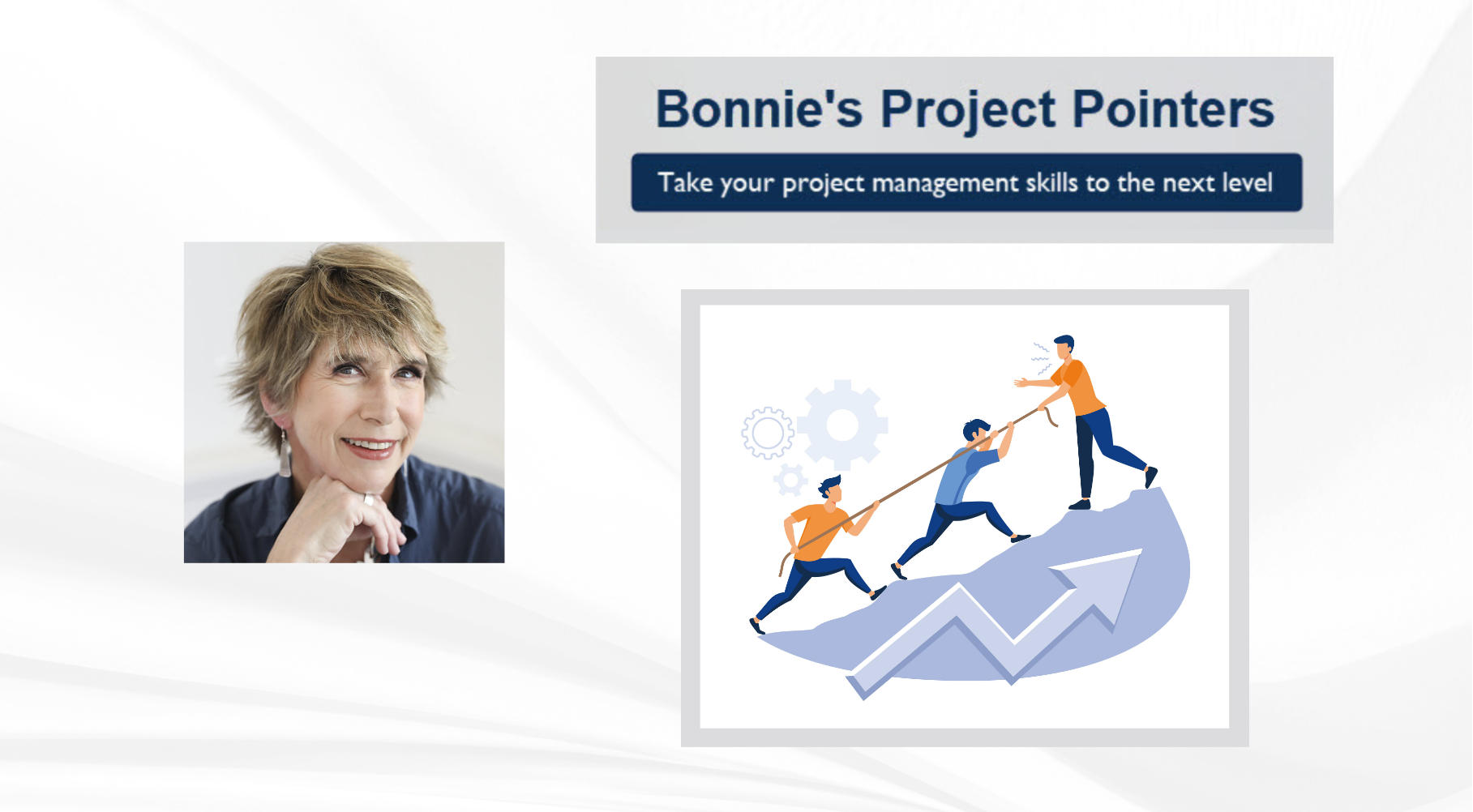 Part of a project manager’s job is to manage risk on behalf of the sponsor. It is NOT to stop the sponsor from taking risks, because risk is often necessary to move a business forward. Here are ways to support a sponsor when they decide to take risks.
- Understand how taking the risk can advance the business. What are the desired outcomes that require taking this risk? If appropriate, take time to explore less risky ways to achieve those outcomes. Also, identify early success indicators that would show that the risk-taking will deliver the desired results.
- Make sure that project risks are fully understood. The project sponsor needs to know about all the risks the project presents. Share the risks, indicators of when risks might come to fruition, and any planned response actions. Also, communicate the costs and schedule impacts of those response actions.
- Know when the risk becomes unsustainable. A risk that turns into an issue can significantly affect the project and even the business. Early in the project lifecycle, determine the limits or thresholds of cost and schedule impacts that the sponsor is willing to accept to achieve their goals.
- Determine how to manage skeptical stakeholders. Pressure from key stakeholders about risks can be overwhelming. Work with your sponsor to understand what’s been communicated about the risks being taken, and how to communicate going forward to manage key stakeholders’ concerns. The key is to communicate consistently among all parties, especially the sponsor and project manager.
- If you fail, fail early. Typically, project risks relate to a few key processes or assumptions about deliverables. Work on those as a proof of concept, as early as possible. That way, the project premise is tested early. If you find that the project’s fundamental concepts aren’t feasible, the business will save precious time and money.
For more about sponsors, check out Antonio Nieto-Rodriguez’ course How to Be an Effective Project Sponsor.
_______________________________________
This article belongs to the Bonnie’s Project Pointers newsletter series, which has more than 102,000 subscribers. This newsletter is 100% written by a human (no aliens or AIs involved). If you like this article, you can subscribe to receive notifications when a new article posts.
Want to learn more about the topics I talk about in these newsletters? Watch my courses in the LinkedIn Learning Library and tune into my LinkedIn Office Hours live broadcasts.
_______________________________________
Understanding Your Project Sponsor: A PM’s Checklist
 Understanding your project sponsor’s habits and perspectives can mean the difference between delivering business value and wasting time and money. To maximize your likelihood of success, here’s a checklist of key things to know about your project sponsor.
- Preferred reporting format and style. Some sponsors want to see all the details, while others prefer an overview with links to the details if they want to dive deeper. Design project reports for your sponsor that meet their preferences.
- Motivators and fears. Develop an in-depth understanding of your sponsor’s project objectives and primary project-related concerns. This information helps you guide the project toward their goals and avoids stressing them out by inadvertently triggering fear-based reactions.
- Additional hot buttons. Most people have behaviors that irritate them. Some are business-related, while others aren’t. For example, a colleague had an otherwise easy-going sponsor who got upset if someone didn’t tuck their chair under the table at the end of a meeting. Identify your sponsor’s hot buttons so you can avoid strain in your relationship.
- Schedule constraints. Regular status updates with your sponsor are typical. But you also need ad hoc meetings to work through unexpected issues. Asking a sponsor for time when they’re busy (e.g., during a weekly customer meeting) won’t go over well. Get to know their scheduling constraints and the process to get on their calendar ASAP when issues occur. Alternatively, ask the sponsor to appoint a backup when they’re unavailable.
- Triple constraint priority. Ideally, your project will deliver to the triple constraints of time, cost and scope. Sometimes, that’s difficult, if not impossible. Work with your sponsor to identify the constraints that causes the least pain to them if it’s missed. That knowledge supports good decision-making throughout the project lifecycle. (Bonus: this knowledge also helps you build the most relevant risk plan by focusing on what impacts the sponsor and the business the most.)
- Preferred communication method and timing. Some sponsors want to get reports before a meeting so they can review them. Others prefer an informal communication session that they facilitate. If there’s an emergency, some prefer a text message, while others want a phone call and leave a message if they can’t answer. That way, work with your sponsor runs more smoothly no matter what’s going on.
- PM background and experience. You can identify the best ways to share information and build project artifacts when you understand your sponsor’s PM experience. For example, if their project management experience is deep but limited to finance-related projects, you should ensure that cost management methods are in place and sufficiently detailed to reassure the sponsor that costs are well-managed. If they have little PM experience, take time to guide them through all project management artifacts.
- Knowledge of political landmines. As a project manager, you often don’t know the nuances of how senior leaders interact with one another, and the hot buttons they may have. Your sponsor can significantly reduce unintended tensions by guiding the project through these political landmines. Ask your sponsor what to do and what NOT to do so you avoid relationship issues with senior leaders.
- Risk appetite. Your job as PM is not to avoid risk; but to manage it and inform your sponsor about the project’s risks. Sponsors might be very risk-averse or could be willing to take big risks to drive an aggressive agenda. By understanding your sponsor’s risk appetite so you can properly assess and manage risk on their behalf.
Consider creating a checklist to get to know your sponsor and keep it with your project planning template. That way, you can gather this key info in your first couple of meetings.
For more about project sponsors, check out the How to Be an Effective Sponsor course by Antonio Nieto-Rodriguez.
_______________________________________
This article belongs to the Bonnie’s Project Pointers newsletter series, which has more than 102,000 subscribers. This newsletter is 100% written by a human (no aliens or AIs involved). If you like this article, you can subscribe to receive notifications when a new article posts.
Want to learn more about the topics I talk about in these newsletters? Watch my courses in the LinkedIn Learning Library and tune into my LinkedIn Office Hours live broadcasts.
_______________________________________
Recovering from the Departure of a Critical Team Member
 Rarely do all members of a project team participate from start to finish of a project. As a result, it’s important to have a procedure ready to handle the departure of a critical team member. Here’s a template for the steps to take.
- Take a deep breath. Get those endorphins flowing to enhance your creativity and problem-solving skills.
- Mentally commit to moving forward. This is a common occurrence that project managers handle all the time. It’s not the end of the project.
- Consider the extent of the loss. Think about the level of experience and knowledge you’re losing. Don’t exaggerate its impact. Identify exactly what this team member brought to the table. Capture their specific contributions, decisions they made, and commitments they made to stakeholders. Pinpoint the gaps you need to fill and when. On the bright side, losing a valuable team member often prompts another person to step up.
- Develop the questions you need to answer and schedule a handoff session. Use the session to address pending decisions, undocumented agreements, and potential political landmines arising from their departure. Get introductions to their key contacts while they still have influence. The key here is to recognize that there might be gaps in documentation of what they know and also that their replacement doesn’t know it all.
- Press management for a replacement. Investigate options both internally and via contract. Prepare impact statements regarding how delaying their replacement affects the project schedule. Then, when the new team member is on board, prepare a short project brief for them that highlights wins, the current status, critical milestones, and insights from the handoff session.
- Pay extra attention to stakeholder management. Losing a critical staff member can rattle stakeholders. It might create political issues, as others might try to take over the influence the departing person had. Connect with key stakeholders and reaffirm their and the project team’s commitments.
- Adjust expectations. The departure WILL have an impact, like delays or production errors. Evaluate and share any setbacks without making them sound like a catastrophe. Develop and discuss plans to help the replacement to reduce negative impacts. If the project schedule is affected, be specific about the support you’ll need to get back on track.
- Diligently maintain project control documents. A team member change can require changes to control documents to make sure the team and stakeholders remain in synch. Schedules might change; new risks might result; cost might change to cover the replacement person. These changes need to be identified, monitored, and communicated to make sure perceptions of project outcomes match the new reality.
- Be prepared to manage emotions. Change of any type can produce emotional responses from stakeholders and team members, whether they are reactions to reduced project outcomes or disruption of a high-performing team. Start by acknowledging and validating people’s emotions and concerns. Give them the opportunity to talk about them. Help people maintain a positive outlook by focusing on the benefits of the project. Ask team members questions like “how can we address this?” or “what’s the takeaway?” to help them identify solutions.
Write up your procedure, so it’s easy to find when this challenge arises.
For more about resource management, check out Chris Croft’s Managing Resources Across Project Teams course.
_______________________________________
This article belongs to the Bonnie’s Project Pointers newsletter series, which has more than 102,000 subscribers. This newsletter is 100% written by a human (no aliens or AIs involved). If you like this article, you can subscribe to receive notifications when a new article posts.
Want to learn more about the topics I talk about in these newsletters? Watch my courses in the LinkedIn Learning Library and tune into my LinkedIn Office Hours live broadcasts.
_______________________________________
Are My Deliverables Ready for Stakeholder Review?
 To gain buy-in and kick off organizational change practices, hold stakeholder reviews of project deliverables early in the lifecycle. That builds trust, saves time, and creates excitement for project outcomes, which promotes product acceptance. Reviewing project deliverables too early can have the opposite effect, reducing confidence and generating anxiety about change. Here’s how to ensure your project deliverables are ready for stakeholders’ scrutiny.
- Is a deliverable more content than concept? Rough outlines, placeholders for design elements, or incomplete code logic are not enough for a stakeholder review. First impressions are important—they’re hard to overcome if they go off the rails. If you have to explain what’s going on, stakeholders might doubt the project purpose and the team’s competence or direction. Hold a stakeholder review only when the work is complete enough that no explanations are needed and the team is in synch with what’s been done so far.
- The team agrees on the status of the deliverable. Make sure the entire team is comfortable with the deliverable and its purpose. If the team is confused or debates the scope, design, or priorities, that uncertainty will rub off on stakeholders. For a stakeholder review, you want clear agreement on what the deliverable will deliver, requirements, initial design, and priorities. The presentation should run like a well-oiled machine.
- Assumptions are validated (that is the assumption is now a known answer). Most projects start with significant assumptions about stakeholder needs, technical feasibility, or integration approaches. It’s risky to review a deliverable when those assumptions aren’t validated, because changes to assumptions mean wasted time, rework and reduced trust.
- Stakeholders with a “work in progress” mindset are available. You want stakeholders who are comfortable seeing works in progress, who aren’t bothered by wireframes, proofs of concept, or drafts. Don’t show unfinished prototypes to detail-oriented stakeholders. You’ll distract them from what truly matters and mess up your timeline with more stakeholder management tasks.
- The team has defined the feedback they want. A big part of a deliverable review meeting is to get feedback on what the team has put together so far. If the team doesn’t know what input they want, that lack of focus could result in opinions that muddy rather than clarify the way forward.
Make a checklist for what needs to be in place before you schedule a stakeholder review. That way, you can be sure that the review positions a deliverable for success.
For more about stakeholder management, check out Natasha Kasimtseva’s Managing Project Stakeholders course.
Coming Up
Starting a new Project Manager role comes with a lot to navigate, new teams, new expectations, and the pressure to lead early. Join Anna Anderson and I for Office Hours on Friday, January 16, 2026 @ 12pm MT/1PM CT for a live conversation on what really helps new PMs settle into their role with confidence. This session is ideal for first-time PMs, career transitioners, and recently promoted project managers. Click here to join!
_______________________________________
This article belongs to the Bonnie’s Project Pointers newsletter series, which has more than 101,000 subscribers. This newsletter is 100% written by a human (no aliens or AIs involved). If you like this article, you can subscribe to receive notifications when a new article posts.
Want to learn more about the topics I talk about in these newsletters? Watch my courses in the LinkedIn Learning Library and tune into my LinkedIn Office Hours live broadcasts.
_______________________________________
Why Tracking Internal Staffing Costs is Important
 Organizations often treat internal staffing as “free,” thinking that existing salaries don’t affect the project’s bottom line. Not so! That approach distorts the view of project viability and staff capacity and undermines the accuracy of long-term planning. Here are several ways that tracking internal staff costs is beneficial.
- Tracking internal staff costs recognizes that time is money. A lot of money. Whether a team member is on the payroll or a contract, time is money. If an engineer spends fifty hours on a project, that’s fifty hours they aren’t working on something else. That’s often referred to as opportunity cost. An accurate picture of these time/money trade-offs is the foundation for strategic decisions about workload priority and overall spending. Tracking in-house team members’ time isn’t micromanaging; it’s understanding where your organization’s most limited resource is really going.
- It shows the true cost of a project. Projects appear less expensive on paper when internal time isn’t counted. But considering the meetings, troubleshooting, and coordination that salaried staff handle, the “free” project resource becomes very costly. Capturing that time and effort keeps cost estimates honest and makes your reporting more credible when you must justify spending.
- It enhances resource planning and forecasting. Tracking time spent by internal team members helps management identify who is overloaded, under-allocated, and which functions require the most effort. That data reduces guesswork and increases insight of performance. Future planning becomes sharper, and the team avoids burnout because hidden workload becomes visible.
- It strengthens project accountability. When all project work hours are tracked, people become more aware of task switching and time spent on non-critical work. It amplifies the need for shared accountability. Time tracking helps everyone see the financial impact of their work on the bottom line, encouraging collaboration across teams.
- It reveals the true return on investment (ROI) of a project. Without staffing costs, you can’t measure a project’s return on investment. People might think that a project was delivered under budget, but factoring in internal time can tell a different story. Tracking staffing costs supports legitimate comparisons of projects, and better decisions about where to invest the next dollar or person-hour.
For more about project finances, check out Bob McGannon’s Project Management Foundations: Budgets course.
Coming Up
Starting a new Project Manager role comes with a lot to navigate, new teams, new expectations, and the pressure to lead early. Join Anna Anderson and I for Office Hours on Friday, January 16, 2026 @ 12pm MT/1PM CT for a live conversation on what really helps new PMs settle into their role with confidence. This session is ideal for first-time PMs, career transitioners, and recently promoted project managers. Click here to join!
_______________________________________
This article belongs to the Bonnie’s Project Pointers newsletter series, which has more than 101,000 subscribers. This newsletter is 100% written by a human (no aliens or AIs involved). If you like this article, you can subscribe to receive notifications when a new article posts.
Want to learn more about the topics I talk about in these newsletters? Watch my courses in the LinkedIn Learning Library and tune into my LinkedIn Office Hours live broadcasts.
_______________________________________
What’s a WBS Dictionary, and Do I Need One?
 A big reason projects with technical deliverables fail is that the PM and team assume everyone understands the deliverables and what it takes to deliver them. A Work Breakdown Structure (WBS) Dictionary can be a lifesaver in that case. Here is a review of what’s in a WBS Dictionary, along with tips for when it’s needed (or not).
A WBS Dictionary focuses on providing detailed information on each work package in a WBS, including:
-
- A description
- Deliverables and acceptance criteria
- Key dependencies and assumptions
- Budget estimates or resource and skill needs
- Constraints or boundaries, focusing on what each work package doesn’t include
Take the time to develop a WBS Dictionary when:
- The project requires multiple teams or handoffs. Any time work passes through several groups, such as engineering to procurement or procurement to a vendor, a WBS dictionary helps prevent assumptions from derailing the timeline. If even one team needs clarification on scope, deliverables, or boundaries, developing a WBS Dictionary is worth it.
- Work packages are complex or technical. Whenever tasks could be interpreted in multiple ways, such as specialized information technology work, regulatory steps, or integration tasks, a dictionary protects the project from ambiguity. It provides teams with detailed descriptions, constraints, deliverable definitions, and acceptance criteria, so no one fills in the gaps with assumptions.
- Vendor or contract work is involved. If external suppliers provide any part of a project solution, a WBS dictionary helps align the project’s needs with the vendor contract. It provides procurement and vendors with a shared definition of “done” and reduces the headaches and costs associated with change orders.
You can save time by not creating a WBS Dictionary when:
- Managing a small or tightly scoped project. If you’re working on a project where team members know each other and are intimately familiar with the tasks and technologies they will use, maintaining a complete WBS dictionary adds bureaucracy. A straightforward, agreed-upon WBS should provide sufficient clarity.
- Project risk is low and is easy to address. The extra effort to create a WBS Dictionary is worthwhile when significant risk is present. For a low-risk project, it can become just one more thing that takes time and ends up sitting in a file cabinet collecting dust. In many cases, a few work packages where risk lies in the project need WBS Dictionary entries.
_______________________________________
This article belongs to the Bonnie’s Project Pointers newsletter series, which has more than 101,000 subscribers. This newsletter is 100% written by a human (no aliens or AIs involved). If you like this article, you can subscribe to receive notifications when a new article posts.
Want to learn more about the topics I talk about in these newsletters? Watch my courses in the LinkedIn Learning Library and tune into my LinkedIn Office Hours live broadcasts.
_______________________________________
Aligning Projects with Organizational Strategy
 The most valuable projects support short-term business goals and contribute to achieving strategic objectives. Aligning projects with an organization’s strategy requires specific, often overlooked approaches. Here are some practical techniques:
- Review the organizational strategy before producing the project charter. Review the entire strategic plan, not just the executive summary. Look for specific objectives, the metrics used to measure them, and the vocabulary used to describe success. Then draft the project charter, mirroring the language used in the strategy to directly connect the project to the organization’s strategy.
- Review (or build) an Outcomes Map. Instead of a flowchart to outline process steps to achieve a specific result, Outcome Maps capture the initiatives or projects required to deliver broad strategic initiatives. Review the outcomes map with the sponsor and key stakeholders to make sure they agree that the project will fulfill one or more of the map’s steps. If senior management can’t clearly see how the project supports the pathways outlined in the Outcomes Map, revise the project charter to align with management’s intentions.
- Include strategy reviews in status meetings. At least every quarter, revisit the alignment between the project and organizational strategy. This is important, as strategies can shift. What made sense in January might be off-target by July. Use strategy reviews to confirm the project still supports the current long-term objectives and to determine whether the project approach needs adjustment.
- Design project governance with the strategy in mind. Encourage the sponsor or steering committee to go beyond approving budgets and timelines. Propose that they participate to ensure major project decisions support the organizational strategy. To reinforce this, project managers can require teams to explain the strategic rationale for any significant change or new direction. Then, the change review board can evaluate and confirm that rationale before approving any change.
Take your current project or a recent one and build an outcome map to see how it aligns with the organization’s strategy. If you find a weak link, apply these techniques to beef up the project’s alignment.
For more information on Outcomes Mapping, go to https://www.outcomemapping.org/
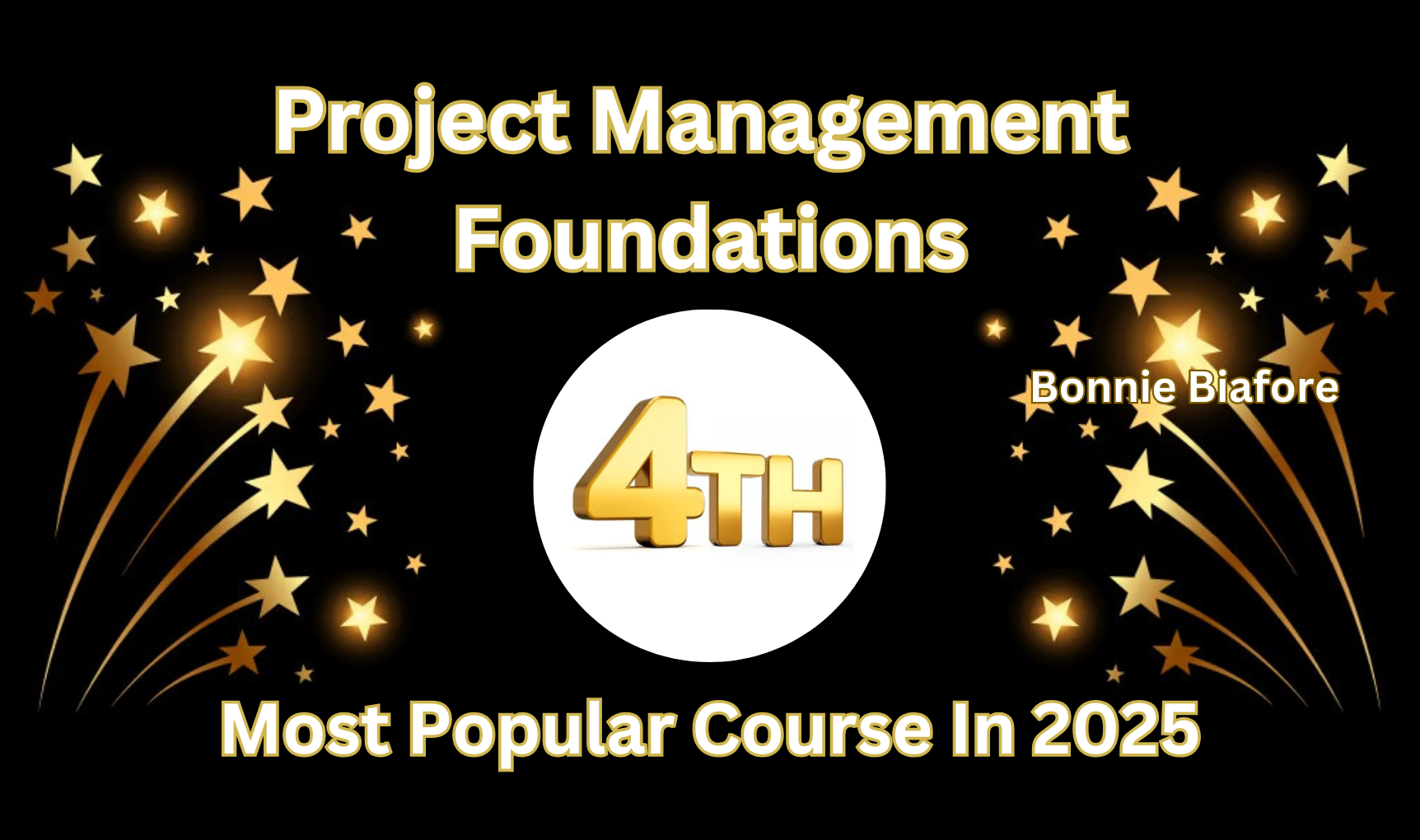
My course Project Management Foundations was #4 in LinkedIn Learning’s Most Popular courses of 2025. Watch it for free with this link!
_______________________________________
This article belongs to the Bonnie’s Project Pointers newsletter series, which has more than 100,000 subscribers. This newsletter is 100% written by a human (no aliens or AIs involved). If you like this article, you can subscribe to receive notifications when a new article posts.
Want to learn more about the topics I talk about in these newsletters? Watch my courses in the LinkedIn Learning Library and tune into my LinkedIn Office Hours live broadcasts.
_______________________________________
Leadership Skills for PMs: Edition 12 – Compassion
 The magic behind the success of great project managers isn’t typically technical skill; it’s compassion. While it’s thought of as a “soft skill,” it’s not easy to be compassionate when the pressure is on. But it offers a strategic advantage that transforms how project teams generate results. Here’s how:
- Compassion creates psychological safety. Team members who are confident that their project manager cares about them outperform those who feel unappreciated. They know they won’t be reprimanded for raising concerns or admitting mistakes. This means they will be more likely to identify risks, share creative ideas, and go the extra mile to produce deliverables on time.
- Understanding each team member produces more realistic planning. Compassionate project managers take time to understand what’s happening in their team members’ lives—they know what drives them, and when they feel overwhelmed. This helps the PM make informed decisions about workload, reasonable deadlines, and resource allocation. As a result, the compassionate manager’s project plans are designed around team members’ unique circumstances, increasing the likelihood of meeting commitments.
- Compassion reduces burnout and improves retention. Project resource churn is disruptive, as people who leave take vital institutional knowledge with them. Compassionate PMs recognize signs of exhaustion and protect work-life boundaries. This helps keep team members engaged and productive as the project progresses. Compassion helps improve retention, which saves time and money replacing and training staff.
- Compassionate project managers promote more effective collaboration. Project managers need to manage competing priorities and challenging stakeholder relationships. With compassion, you can understand the pressures, constraints, and concerns driving each stakeholder. Instead of viewing difficult stakeholders as obstacles, you recognize them as people with legitimate needs, which leads to productive conversations, effective compromises and better outcomes.
- Compassion creates teams that people want to join. Some PMs assume that the best project managers get the best team members, which is why they’re so successful. That’s true but perhaps not in the way you think. Team members actively seek to work with compassionate project managers. As a result, those project managers produce better project outcomes. In a business environment where most projects require lots of collaboration and matrix management, compassion yields a competitive advantage that directly impacts delivery quality and speed.
_______________________________________
This article belongs to the Bonnie’s Project Pointers newsletter series, which has more than 100,000 subscribers. This newsletter is 100% written by a human (no aliens or AIs involved). If you like this article, you can subscribe to receive notifications when a new article posts.
Want to learn more about the topics I talk about in these newsletters? Watch my courses in the LinkedIn Learning Library and tune into my LinkedIn Office Hours live broadcasts.
_______________________________________
Leadership Skills for PMs: Edition 11 – Leverage Processes
 Leveraging processes helps improve overall efficiency and delivers continuous improvement to projects. Here are ways experienced project managers leverage a process-focused approach to increase effectiveness.
- Projects are viewed as consistent and predictable. When project managers follow standardized processes, teams deliver predictable results and stakeholders know what to expect, strengthening trust and credibility.
- PMs make better decisions more efficiently (especially when under pressure). Clear processes helps project managers respond efficiently to issues or proposed changes. With documented processes for addressing risks and issues including who examines scope changes and how, PMs ensure that the right people assess impacts when making these significant decisions.
- Project managers streamline communication. With a documented communication plans, the PM and team leaders consistently and predictably share updates and documents. This reduces confusion and misinterpretation of project status and upcoming activities.
- Documented processes speed up knowledge transfer. When processes are documented and repeatable, and project control deliverables are methodically updated, project managers can bring new key stakeholders, team members, and even sponsors on board faster and more effectively.
- Processes reduce risk and boost compliance. Projects are more likely to meet regulatory, contractual, and governance requirements when everyone follows standard processes. Because project audits focus on whether critical processes are documented and followed, defined processes help the PM protect their organization’s reputation and the results they deliver.
- Processes empower team members. Documented processes help project team members understand what is expected of them, how they must produce their deliverables, and how those deliverables fit into the big picture. Well-crafted work breakdown structures, task data dictionaries, and process-focused deliverable reviews help team members support one another. This clarity boosts confidence and encourages greater ownership.
Look through your project documentation to evaluate your project management processes. Find any missing ones or some that could be improved? Pick one each week to document until everything is up to date.
For more about processes, check out my Project Management Foundations course and Chris Croft’s Process Improvement Foundations course.
Coming Up
As Project Online approaches retirement, organizations face important decisions about the future of their project and portfolio management tools. Bonnie Biafore and Ira Brown will explore several paths for transitioning away from Project Online, discussing options such as Project Server Subscription Edition, Planner Premium, Smartsheet, and also the use of standalone Microsoft Project. Join us for Office Hours on Friday, December 5, 2025 at 11am MT/1pm ET. Click here to join!
_______________________________________
This article belongs to the Bonnie’s Project Pointers newsletter series, which has more than 100,000 subscribers. This newsletter is 100% written by a human (no aliens or AIs involved). If you like this article, you can subscribe to receive notifications when a new article posts.
Want to learn more about the topics I talk about in these newsletters? Watch my courses in the LinkedIn Learning Library and tune into my LinkedIn Office Hours live broadcasts.
_______________________________________
