
Leadership Skills for PMs: Edition 10 – Being Decisive
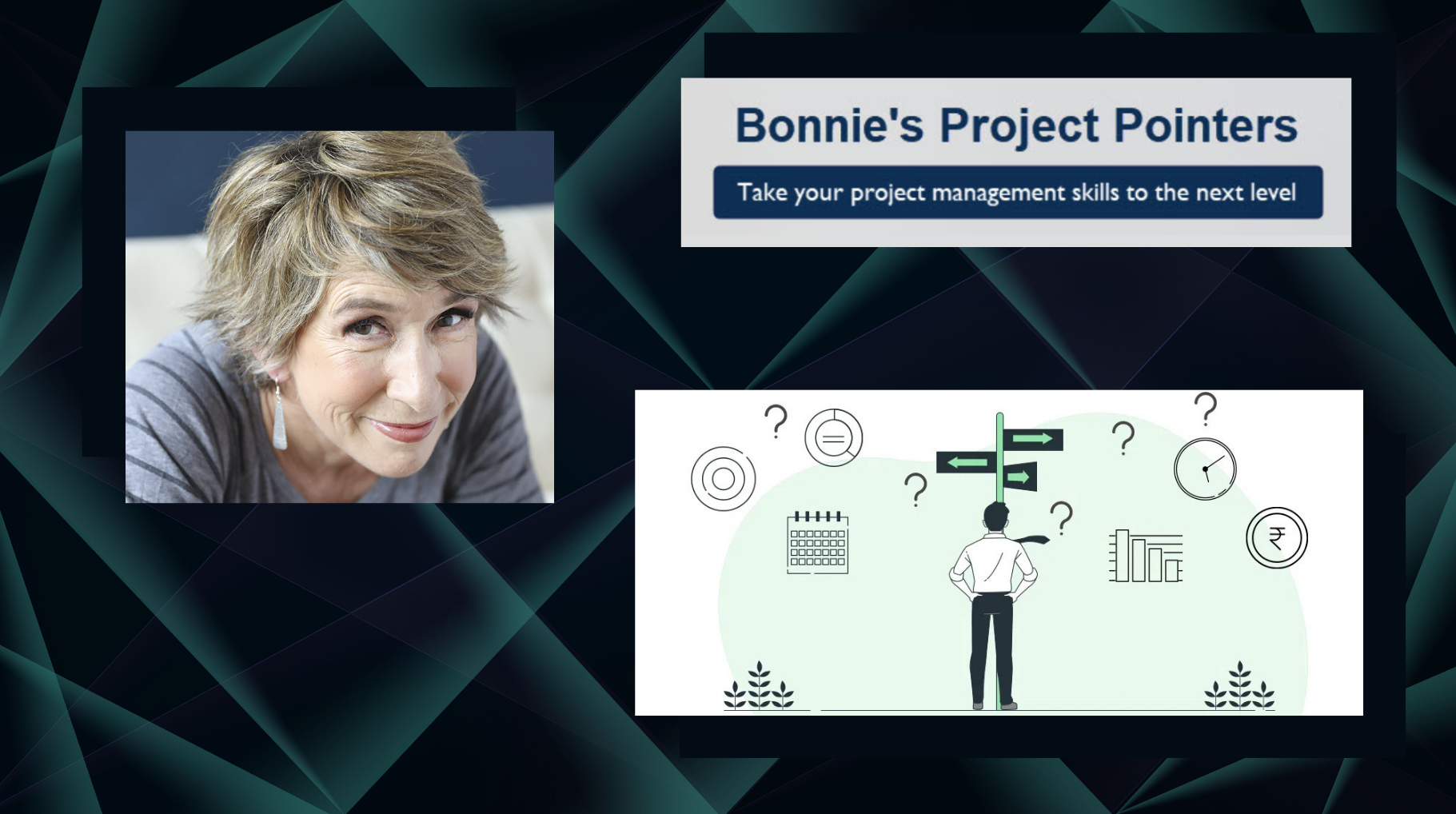 Decision-making facilitates project delivery and conveys control, so it’s an everyday activity for PMs. Here are instances where project managers must be decisive.
- Managing resources. Working with managers who are juggling resources is typical when you’re trying to get people for your project teams. Good decisions are a must to ensure the project gets the right skills, to align the schedule to accommodate team member availability, and to identify contracting alternatives when skilled staff aren’t available in-house. In addition, effective resource managements calls for assembling cohesive teams and assigning primary contacts to key stakeholders.
- Establishing technical direction. Choosing the right alternative from available options falls squarely on the project manager. You need to rally the project team and stakeholders and you might have to make adjustments to accommodate business needs. You might have to address scope or approach changes with stakeholders who evaluate the merits of a proposed change. Success depends on making and clearly communicating these decisions to all stakeholders.
- Facilitating meetings. Discussions are rarely efficient unless someone steps up to herd the cats. It’s tricky to determine whether a debate is on target or heading off on a tangent (in which case, you must steer it back to the agreed-upon agenda. It involves sensitivity, active listening, and…you guessed it…clear decision-making).
- Dealing with partial information. Most of the time, you won’t have complete information when you need to make a project-related decision. Stakeholder reactions, risks coming to fruition (or not), changes in the law, or competitors’ actions can alter the best direction for the project. But knowing what will happen in the future requires a crystal ball that’s on long-term backorder at Wizards ‘R Us. As a result, you have to be comfortable making decisions without knowing everything involved. To move a project forward without delay, it’s a matter of determining which data you need and deciding with reasonable unknowns.
- Taking ownership of decisions. When it’s time to decide, take a stand and move forward. Being unclear, blaming others, and referring to missing information shows weakness not decisiveness. When you make a decision, stick to it and act in line with its expectations. If the decision doesn’t turn out well and you can change it, go ahead and change it. Explain the reasons for the change, citing the information that came to light since you made the original decision. Then move forward with the altered approach.
For more about decision making, check out Mike Figliuolo’s Decision-Making Strategies course.
Coming Up
As Project Online approaches retirement, organizations face important decisions about the future of their project and portfolio management tools. Bonnie Biafore and Ira Brown will explore several paths for transitioning away from Project Online, discussing options such as Project Server Subscription Edition, Planner Premium, Smartsheet, and also the use of standalone Microsoft Project. Join us for Office Hours on Friday, December 5, 2025 at 11am MT/1pm ET. Click here to join!
_______________________________________
This article belongs to the Bonnie’s Project Pointers newsletter series, which has more than 100,000 subscribers. This newsletter is 100% written by a human (no aliens or AIs involved). If you like this article, you can subscribe to receive notifications when a new article posts.
Want to learn more about the topics I talk about in these newsletters? Watch my courses in the LinkedIn Learning Library and tune into my LinkedIn Office Hours live broadcasts.