
Leadership Skills for PMs: Edition 5 – A Change Mindset
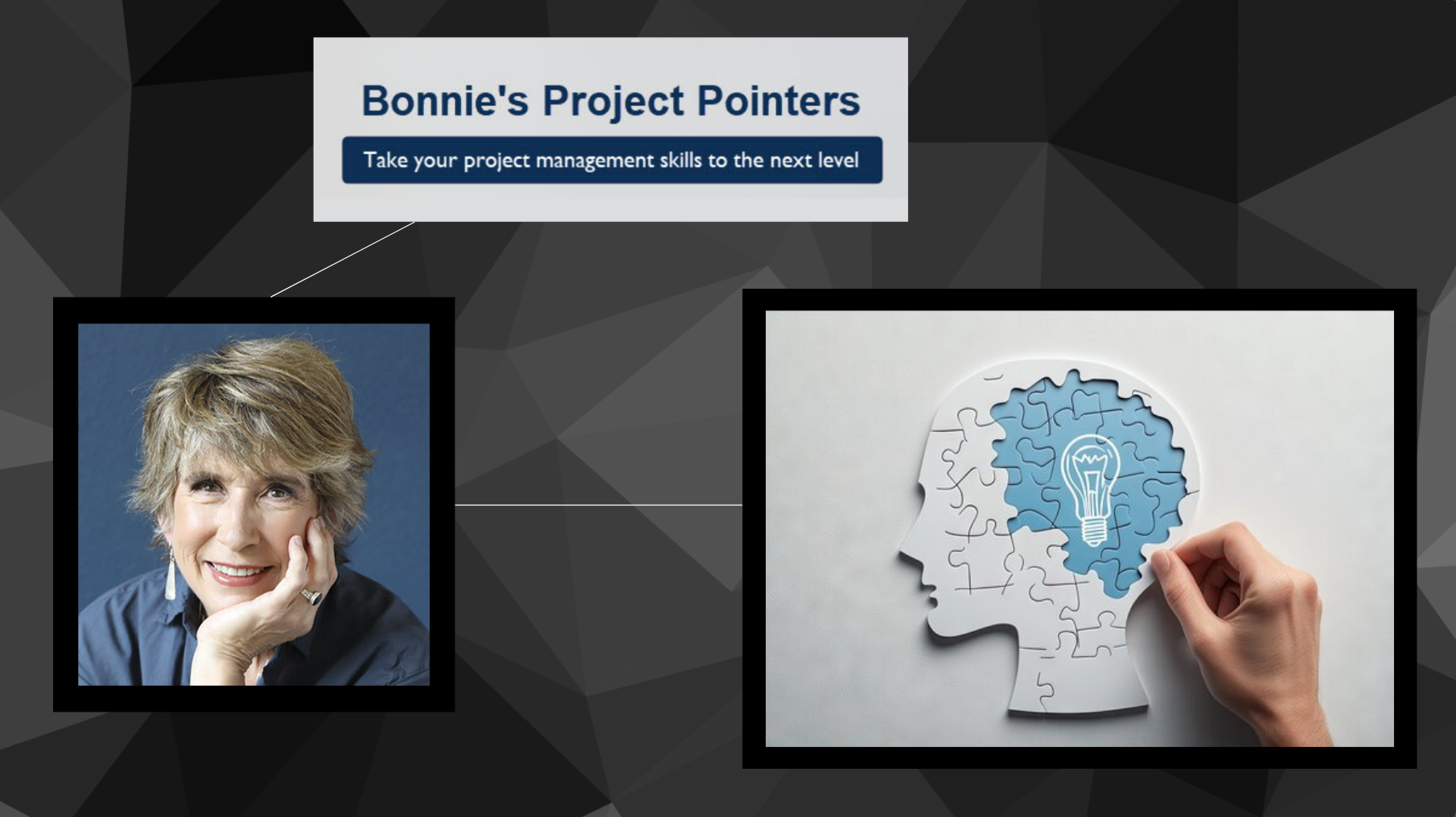 Managing change is a fundamental aspect of project management. Project managers must lead assessment efforts to determine whether requested changes are appropriate and beneficial for their projects. A Change Mindset is needed to do this well. Here are ways to embrace a change mindset and improve project success.
- View change as inevitable. In a churning, competitive world, change is a given. So, project managers must design their initiatives with as much flexibility as possible. Check with stakeholders just before making any procurement decisions or undertaking build-related tasks (that cannot be easily reversed). That way you can consider including the latest stakeholder views and perceived needs in the project, thereby optimizing outcomes. Note: For these and all other changes, practice change management diligently.
- Be prepared for significant change triggered by items outside project control. Change may be spurred by the actions of competitors, new demands from customers, or regulatory changes mandated by the government. These can result in shifting priorities, requirements for different skills, or substantial scope change requests. The need to re-plan, determine a new solution approach, or alter the schedule is likely. It will also require a new round of communication with team members, key stakeholders, and the sponsor. It’s a lot of work, but it’s necessary to maintain project integrity and align with the project’s business case. Note: In instances where more than 20% of the project will be affected, it might be best to create a new business case and revalidate the project before proceeding.
- Keep track of technical product capabilities that can trigger change. When dealing with technical components that are susceptible to rapid technological advances (such as AI or robotics), project plans might need to be reassessed to accommodate the latest breakthroughs. For instance, consider a year-long project to develop a specialized manufacturing line that incorporates robotics and high-end workstations. Some capabilities with AI and robotics aren’t available yet but will be soon. So, the project must produce the known parts of the infrastructure up front and the parts using new technology later—without creating cumbersome rework. Capitalizing on the latest advances can make all the difference for your business when it comes to project acceptance.
- Understand that internal politics is a strong motivator for change. Project changes might be requested without an apparent business reason. In most cases, “rolling with it” is the best course of action. Evaluate the change for cost or schedule changes, their impact on the business case, and present the results. Also, identify risks the change may trigger and document those concerns. The role of the project manager is to evaluate and report the impacts of a change, rather than trying to override management desires. Go with the decision that key stakeholders and the sponsor agree upon. But keep the change-related documentation close at hand in case any questions arise.
- Reactionary factors can inspire change requests and a need to push back. Key stakeholders might react to business pressures by requesting a change that is already covered in the scope or is something entirely different from the project’s intent. In this case, consider having a one-on-one conversation with the stakeholder to discuss their concerns. If the stakeholder persists, a discussion with the sponsor is in order. If those conversations don’t result in a retraction of the change request, assess the change and present the results, along with the risks and issues it presents. Include a strong recommendation that the change is not accepted. After that, the proper action is to conform to the desires of the sponsor and stakeholders.
_______________________________________
This article belongs to the Bonnie’s Project Pointers newsletter series, which has more than 98,000 subscribers. This newsletter is 100% written by a human (no aliens or AIs involved). If you like this article, you can subscribe to receive notifications when a new article posts.
Want to learn more about the topics I talk about in these newsletters? Watch my courses in the LinkedIn Learning Library and tune into my LinkedIn Office Hours live broadcasts.